


Is Your Home Safe? Age-Friendly Home Modifications You Shouldn’t Ignore
Most homes aren’t designed for aging in place.
Many families don’t think about age-friendly home modifications until after a fall or injury happens. The reality is that most homes were not designed with long-term safety in mind.
They’re designed for convenience, style, and space — not safety. And while everything may seem fine now, small hazards can quickly turn into serious risks as we get older.
If you’re planning to stay in your home long-term (or helping a parent do the same), it’s worth asking:
Is your home truly age-friendly?
Let’s walk through the most common danger zones and the simple upgrades that can make a big difference.
Why Age-Friendly Home Modifications Matter More Than You Think
An age-friendly home supports:
Safe movement
Reduced fall risk
Easy access to everyday spaces
Independence without constant assistance
According to the Centers for Disease Control and Prevention, falls are one of the leading causes of injury among adults over 65. Many of those falls happen inside the home — especially in bathrooms, stairways, and entry points.
The good news? Most risks are preventable.
1. Bathroom: The #1 Fall Risk Area

Bathrooms combine water, hard surfaces, and tight spaces. That’s a dangerous mix.
Common Danger Zones:
Slippery tile floors
High bathtub walls
No grab bars near the toilet or shower
Poor lighting
Easy Fixes:
Install grab bars near the toilet and inside the shower
Add a shower seat for stability
Use non-slip flooring or mats
Upgrade to a handheld shower head
Improve lighting around mirrors and entry points
These upgrades are affordable compared to the cost of hospital visits or long-term rehab.
2. Entryways and Front Steps
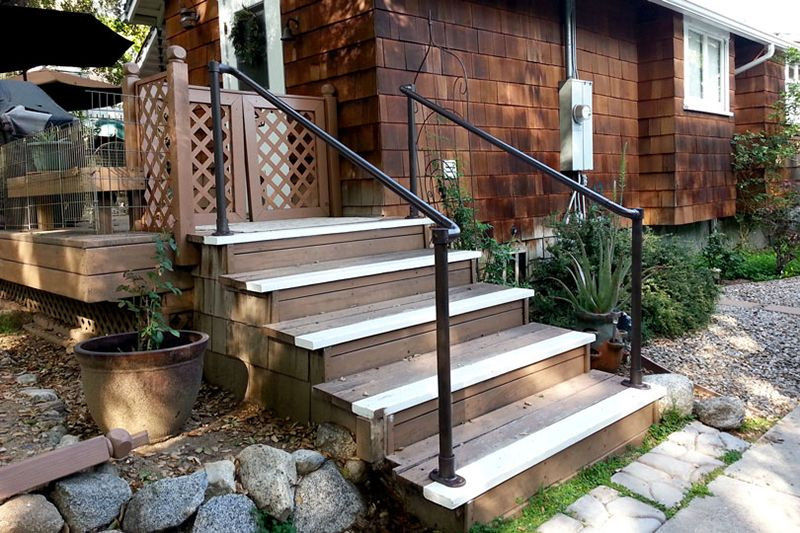
Getting in and out of the home should feel secure — not risky.
Watch For:
Uneven steps
No handrails
Poor nighttime visibility
Slippery outdoor surfaces
Smart Improvements:
Install sturdy handrails on both sides
Add non-slip stair treads
Improve exterior lighting
Consider a low-slope ramp if mobility becomes limited
A safer entryway reduces fall risk before someone even makes it inside.
3. Kitchen Hazards

Kitchens are high-traffic areas with sharp objects, heat, and spills.
Risk Factors:
Reaching for high shelves
Slippery floors
Poor lighting
Cluttered walkways
Easy Fixes:
Install pull-out shelves
Lower frequently used storage
Improve task lighting
Keep pathways clear
Small adjustments can prevent falls and burns while maintaining independence.
4. Hallways and Living Areas

These areas feel safe — but they often hide subtle hazards.
Common Issues:
Loose rugs
Dark hallways
No stair handrails
Cords across walkways
Solutions:
Remove or secure rugs with non-slip pads
Add motion-sensor lighting
Install sturdy handrails
Rearrange furniture for clear paths
Even one loose rug can cause a serious fall.
5. Bedroom Safety

Nighttime trips to the bathroom are one of the biggest fall risks.
Simple Improvements:
Add bedside nightlights
Ensure the bed height allows easy standing
Keep a clear pathway to the bathroom
Install support rails if needed
A small light can prevent a life-changing injury.
Why Waiting Is Risky
Many families only modify a home after an injury happens.
But preventive upgrades are:
Less expensive
Less stressful
Much safer
An age-friendly home doesn’t look “medical.” Modern safety features can blend seamlessly into stylish interiors.
Is Your Home Ready for Aging in Place?
Ask yourself:
Can you move safely through every room?
Are there grab bars in high-risk areas?
Is lighting bright enough at night?
Are stairs secure and supported?
If you hesitated on any of these, your home may not be fully age-friendly.
The Smart Next Step
Professional home safety modifications are designed to protect independence — not take it away.
If you or a loved one wants to stay in your home safely for years to come, it’s worth getting an expert evaluation.
For trusted aging-in-place upgrades, grab bar installation, and practical home safety solutions, visit:
A safer home starts with small changes — and those changes can make all the difference.


Comments